

Deceptive Practices

Deceptive practices are the dissemination of false or misleading information about elections and the voting process in order to alter the outcome of the election and to prevent eligible voters from casting their ballots. American history is peppered with examples of individuals, political operatives, and organizations using these misleading and intimidating tactics to prevent voters from participating in the electoral process. In most cases, deceptive practices target traditionally disenfranchised communities—including minorities, seniors, and young people—and very rarely are the culprits of this misinformation pursued or prosecuted by law enforcement.
Often, deceptive practices take the form of flyers or robocalls giving false information to voters about the time, place, and manner of elections; political affiliation of candidates; or penalties associated with voting. Recently, we have seen more sophisticated and nuanced tactics like using text messages, emails, Facebook posts, and messages on Twitter, attempting to deceive voters. With a hyper-charged political climate, new technology, and elections being won and lost by margins as narrow as a few hundred votes, we can expect there will be new ways to disseminate false and misleading information in the 2018 election cycle.
The Lawyers’ Committee for Civil Rights Under Law, through its leadership on Election Protection, has documented many of these ugly tactics. In 2018, we will continue to monitor deceptive practices, counter them with correct information to voters, work with election officials to prevent these practices, and litigate to prevent them where possible. But in order to effectively combat these fraudulent election practices, we need stronger laws. Deliberately deceiving voters about any aspects of the voting process should be unambiguously illegal. Federal, state, and local officials should be empowered not just to punish violators but also to quickly correct deceptive information through sources trusted by affected communities.
Follow Us
Tools
Deceptive Practices Deceptive practices are the dissemination of false or misleading information about elections and…
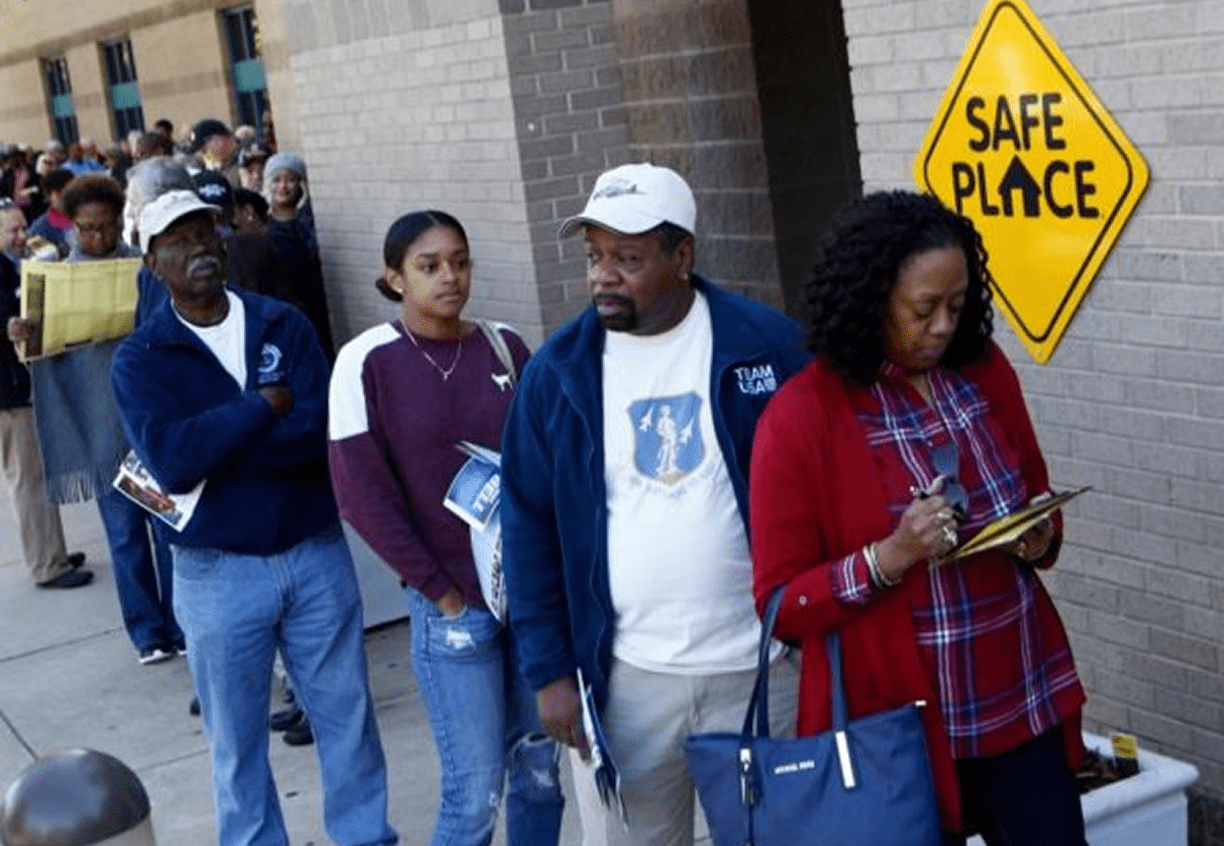
Voter Intimidation Voter intimidation involves putting undue pressure on or trying to coerce a person…

Under the 1986 Uniformed and Overseas Citizens Absentee Voting Act (“UOCAVA”), members of the seven…
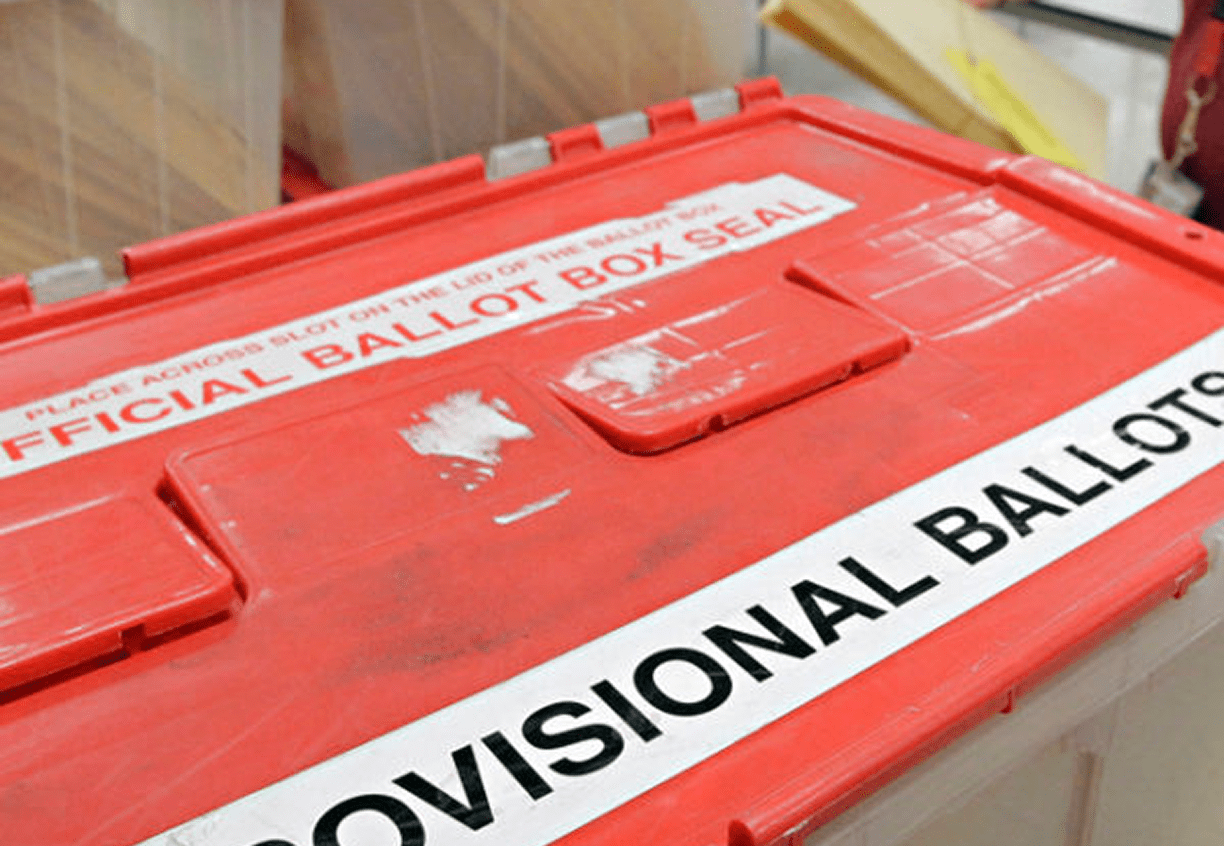
A voter has the right to cast a provisional ballot if he or she believes…